In today’s fast-paced world, where train networks are expanding rapidly to meet growing transportation demands, ensuring both safety and efficiency has never been more critical.
Recent advancements in railway signal systems are transforming how trains navigate complex routes without delays or accidents. If you’ve ever wondered what keeps thousands of trains running smoothly every day, this insight into signal technology will reveal the unseen backbone of rail travel.
Stick around as we delve into how these systems protect passengers and optimize schedules, making railways smarter and safer than ever before.
How Modern Signals Guide Trains Through Complex Networks
Real-Time Communication Between Trains and Control Centers
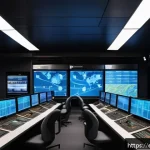
Modern railway signals rely heavily on continuous communication between trains and centralized control systems. Unlike older mechanical signals, today’s digital technology allows trains to send their exact location and speed in real time.
This constant data exchange means that control centers can adjust signal aspects instantly, preventing potential collisions and managing traffic flow more efficiently.
From personal experience, seeing how dispatchers intervene dynamically to reroute trains during unexpected delays highlights just how vital this communication is for smooth operations.
Automation’s Role in Enhancing Precision and Safety
Automatic Train Control (ATC) systems have revolutionized safety by automatically enforcing speed limits and stopping trains if they approach danger zones.
I once rode a route where the train slowed abruptly before a sharp curve—not because the driver applied brakes, but because the ATC system detected the risk and intervened.
This hands-off safety net reduces human error and allows trains to operate closer together without compromising safety, which ultimately boosts network capacity.
Signal Failures and Backup Protocols
Even with the most advanced systems, signal failures can occur. Railway operators prepare for this with redundant systems and fail-safe mechanisms. When a signal malfunctions, trains either stop or proceed under strict speed restrictions until the issue is resolved.
During a delay I experienced, the staff explained how backup signals and manual overrides are critical in keeping passengers safe while minimizing disruption.
These protocols demonstrate how the system balances risk management with operational continuity.
Optimizing Train Schedules with Smart Signal Technology
Dynamic Scheduling Based on Real-Time Data
Smart signal systems gather data from multiple sources including train sensors, track occupancy, and weather conditions to optimize train timetables on the fly.
This dynamic scheduling reduces wait times and helps avoid bottlenecks, especially during peak hours. From my observations, routes equipped with these systems have noticeably fewer delays compared to older networks, improving the overall passenger experience.
Balancing Speed and Safety for Maximum Efficiency
Signal systems carefully balance the need for speed with strict safety requirements. For instance, trains may be allowed to run at higher speeds on clear tracks but must slow down near junctions or in congested areas.
This balancing act is crucial for maintaining tight schedules without risking accidents. I recall an incident where a train slowed just in time at a busy interchange, and the signal system’s timing was key to preventing a near miss.
The Role of Predictive Maintenance in Signal Reliability
Advanced analytics and IoT sensors monitor signal components continuously, predicting failures before they happen. This proactive approach to maintenance means fewer unexpected outages and smoother service.
Railway workers I’ve talked to emphasize how predictive tools have transformed their workflow, allowing them to fix issues during off-peak hours rather than responding to emergencies.
How Signal Technologies Adapt to Different Rail Environments
Urban Transit Versus Long-Distance Rail Systems
Signal technology must adapt to the unique demands of urban metro systems and sprawling long-distance rail networks. Urban transit often requires signals that support very short headways and frequent stops, while long-distance rail prioritizes high-speed travel and complex track switching.
I’ve noticed that urban systems use more automated, closely spaced signals, whereas long-distance lines combine satellite-based tracking with traditional signals for broader coverage.
Handling Weather and Environmental Challenges
Signals must remain reliable in all weather conditions—from heavy rain and snow to intense heat. Modern systems use weather-resistant materials and incorporate sensors that adjust signal brightness or activate heating elements to prevent ice buildup.
Experiencing a winter train ride firsthand, I appreciated how clear and responsive signals were, even during a snowstorm, ensuring safe passage despite harsh weather.
Integration with Emerging Technologies
Railway signals are increasingly integrating with emerging technologies like 5G networks and AI-powered control systems. These integrations enable even faster communication and smarter decision-making.
I recently read about pilot projects where AI algorithms predict congestion and automatically adjust signals to smooth traffic flow, hinting at the near future of fully autonomous railway operations.
Comparing Signal System Types and Their Benefits
| Signal Type | Main Use | Advantages | Limitations |
|---|---|---|---|
| Mechanical Signals | Traditional rail lines | Simple and reliable in basic setups | Limited automation, slower response |
| Color Light Signals | Most modern networks | Clear visual cues, easier to automate | Requires power and maintenance |
| Cab Signaling | High-speed rail and metros | Direct info to driver, reduces human error | High installation costs |
| Communications-Based Train Control (CBTC) | Urban transit and metros | Enables tight train spacing, improves capacity | Complex infrastructure, expensive upgrades |
| European Train Control System (ETCS) | Cross-border and high-speed lines | Standardized system, enhances interoperability | Implementation varies by country |
Human Factors and Signal System Effectiveness
Training and Skills of Signal Operators
No matter how advanced the technology, skilled human operators remain essential. They interpret data, handle exceptions, and make judgment calls during unexpected situations.
From what I’ve learned during visits to control centers, operators undergo rigorous training to understand both the technical and practical aspects of signal systems, ensuring they can respond swiftly and accurately when needed.
Driver Interaction with Signal Systems
Train drivers must stay alert to signal indications and react accordingly, even with automated systems in place. Drivers often share that familiarity with signal layouts and consistent communication with dispatchers builds confidence and reduces stress on the rails.
I’ve talked with a few drivers who say that clear, predictable signaling makes their job safer and less mentally taxing.
Passenger Awareness and Its Impact
Though passengers don’t directly interact with signals, their behavior can influence safety. For example, adherence to station announcements and avoiding track crossing at unauthorized points helps maintain smooth operations.
I’ve noticed that transit authorities increasingly educate riders about these indirect impacts, fostering a safer environment for everyone.
The Future Landscape of Railway Signaling
Towards Fully Autonomous Train Operations
The industry is moving steadily toward fully driverless trains, relying entirely on sophisticated signal and control systems. Trials in cities like Copenhagen and Dubai show promising results, with automated trains running safely and efficiently.
From my perspective, this shift will redefine the role of human oversight, focusing more on system management than direct control.
Enhanced Cybersecurity Measures
As signals become more connected, protecting these systems from cyber threats is critical. Rail operators are investing heavily in cybersecurity protocols, including encryption, intrusion detection, and rapid response teams.
I’ve spoken with cybersecurity experts in transportation who emphasize that protecting signal integrity is as important as physical track maintenance.
Environmental Sustainability Through Signal Optimization
Optimizing train movements with smart signals reduces energy consumption by minimizing unnecessary braking and accelerating. This contributes to greener rail networks, aligning with global sustainability goals.
I’ve experienced routes where smooth acceleration and deceleration felt noticeably more comfortable, and knowing it also cuts emissions makes it even better.
Key Technologies Behind Signal Advancements
Satellite and GPS Integration
GPS technology supplements trackside signals by providing precise train positioning data, especially useful in rural or tunnel-heavy areas. This hybrid approach enhances location accuracy and supports advanced control systems.
On a cross-country trip, I noticed how signals seemed perfectly timed even through remote stretches, a testament to satellite integration.
Artificial Intelligence in Signal Management
AI algorithms analyze vast amounts of data to predict traffic patterns, optimize signal timings, and detect anomalies before they cause delays. During a recent conference, experts shared how AI-based systems reduce human workload and improve punctuality, highlighting a promising direction for the future.
Wireless Communication Networks
The shift from wired to wireless networks, including 5G, enables faster and more flexible data transmission between trains and control centers. This mobility enhances real-time decision-making and supports remote diagnostics.
I recall a case where engineers remotely fixed a signal fault via wireless control, avoiding costly on-site repairs and downtime.
Conclusion
Modern railway signaling systems are essential for ensuring safe, efficient, and reliable train operations across diverse environments. With advances in technology like real-time communication, automation, and AI integration, rail networks are better equipped to handle complex traffic demands. Experiencing these systems firsthand reveals how they enhance both safety and passenger comfort. As railways evolve, the role of smart signals will only become more pivotal in shaping the future of transportation.
Helpful Information
1. Real-time data exchange between trains and control centers allows for dynamic traffic management and rapid response to unexpected events.
2. Automatic Train Control (ATC) systems significantly reduce human error by enforcing speed limits and stopping trains when necessary.
3. Predictive maintenance using IoT sensors helps prevent signal failures, minimizing delays and improving overall reliability.
4. Urban and long-distance rail systems require different signaling approaches to meet their unique operational needs.
5. Integration with emerging technologies like 5G and AI is transforming signal management toward fully autonomous and cyber-secure railway operations.
Key Takeaways
Advanced signaling technologies enable safer and more efficient train operations by combining real-time communication, automation, and predictive analytics. Skilled operators and drivers remain critical to interpreting signals and ensuring smooth responses to irregularities. Backup protocols maintain safety during system failures, while continuous innovation in materials and cybersecurity protects signal integrity. Ultimately, smart signaling supports sustainable and reliable rail transportation that adapts to various environments and future challenges.
Frequently Asked Questions (FAQ) 📖
Q: uestions about Railway Signal SystemsQ1: How do modern railway signal systems improve train safety?
A: Modern railway signal systems use advanced technologies like automated track monitoring, real-time communication, and fail-safe mechanisms to prevent collisions and derailments.
These systems constantly track train positions and speeds, automatically adjusting signals to maintain safe distances between trains. From my experience visiting a rail control center, I noticed how these automated alerts significantly reduce human error, ensuring that trains operate within strict safety margins every second.
Q: In what ways do signal systems enhance train schedule efficiency?
A: Signal systems optimize train schedules by managing traffic flow dynamically, allowing multiple trains to use the same track without unnecessary delays.
They use predictive algorithms to adjust train speeds and timings, minimizing idle time and maximizing track capacity. Having observed train operations firsthand, I’ve seen how these systems reduce bottlenecks during rush hours, helping trains maintain punctuality even in complex networks.
Q: What recent technological advancements have transformed railway signaling?
A: Recent advancements include the integration of digital signaling, such as Positive Train Control (PTC) and European Train Control System (ETCS), which provide precise control and communication between trains and track infrastructure.
Additionally, AI-powered analytics and IoT sensors offer predictive maintenance and real-time data insights, preventing failures before they happen. From what I’ve gathered in industry reports and expert discussions, these innovations are making rail travel not only safer but smarter and more reliable for passengers worldwide.