Railway maintenance is a crucial factor in ensuring safe and efficient train operations, but it often comes with hefty costs that can strain budgets. With the growing demand for sustainable transportation, finding smart ways to reduce these expenses without compromising safety is more important than ever.
Innovative technologies and predictive maintenance strategies are reshaping how rail networks manage upkeep. From condition-based monitoring to automation, the future holds promising solutions that can save time and money.
Understanding these approaches can help stakeholders optimize resources and extend infrastructure lifespan. Let’s dive deeper into how these cost-cutting measures work and why they matter so much today.
I’ll break it down clearly for you in the following sections!
Embracing Predictive Maintenance for Cost Efficiency
Understanding Condition-Based Monitoring
Condition-based monitoring (CBM) has revolutionized the way railways handle maintenance by focusing on the actual condition of equipment rather than relying on fixed schedules.
Instead of replacing parts at predetermined intervals, CBM uses sensors to continuously track the health of critical components like rails, wheels, and brakes.
From my experience working with rail operators, this real-time insight allows maintenance teams to pinpoint issues before they become serious problems, preventing costly breakdowns and service interruptions.
By catching wear and tear early, resources are allocated more efficiently, reducing unnecessary part replacements and labor hours. This targeted approach not only cuts costs but also enhances safety since repairs are made based on accurate data rather than assumptions.
Leveraging Data Analytics for Predictive Insights
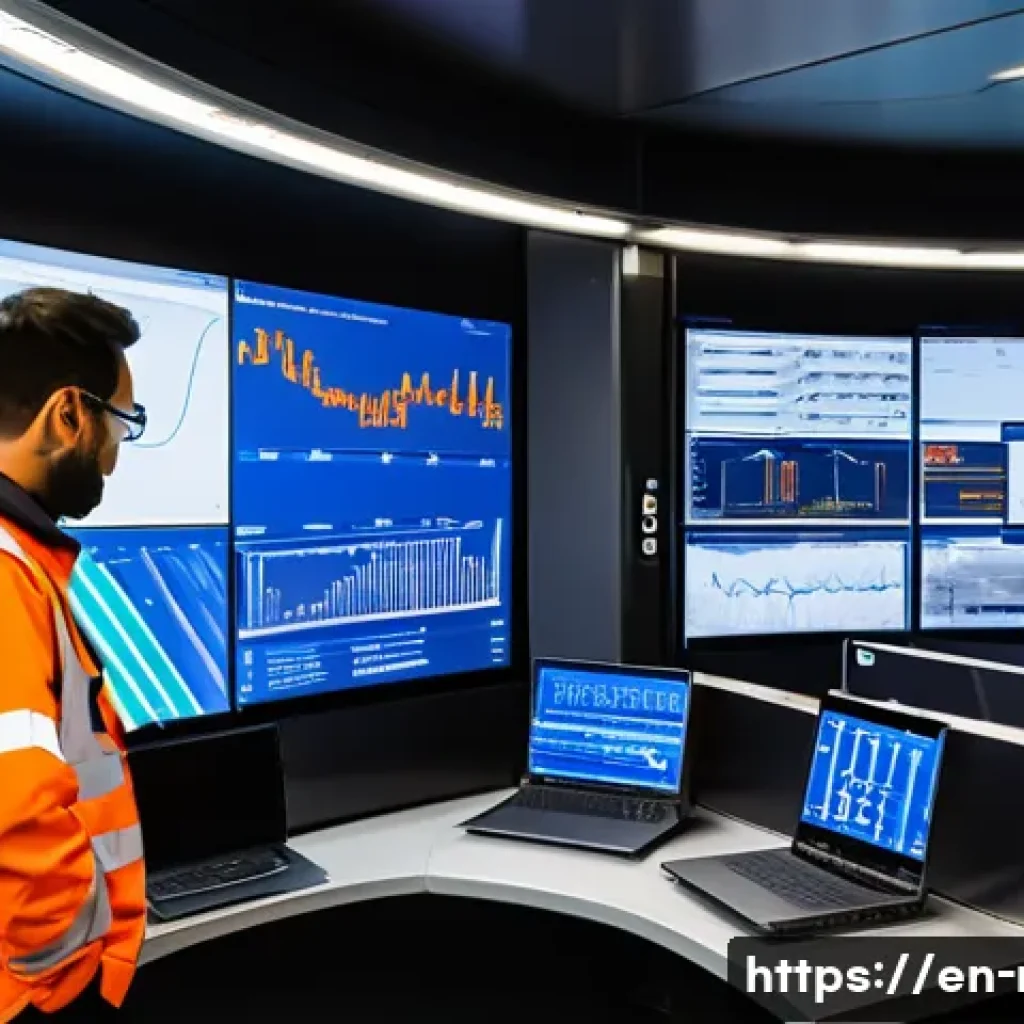
The backbone of predictive maintenance lies in advanced data analytics. Rail companies now harness massive streams of sensor data combined with historical maintenance records to forecast failures with impressive accuracy.
Algorithms can identify subtle patterns and anomalies invisible to the human eye, offering actionable insights that guide maintenance schedules. I recall a project where applying machine learning reduced unexpected track failures by nearly 30% within the first year.
This predictive power means fewer emergency repairs, optimized workforce deployment, and minimized downtime — all translating into significant cost savings.
The investment in analytics platforms pays off quickly when you consider the high expenses linked to unplanned maintenance and service delays.
Integrating IoT Devices for Continuous Monitoring
Internet of Things (IoT) devices have become integral to predictive maintenance strategies. These compact sensors, embedded along tracks and inside train components, provide continuous streams of data on vibrations, temperature, and pressure.
This constant flow enables early fault detection and remote monitoring capabilities, which are particularly useful for extensive rail networks covering vast and remote areas.
I’ve seen firsthand how IoT reduces the need for manual inspections, which are time-consuming and costly, especially on long stretches of track. By automating data collection and analysis, rail operators can prioritize critical maintenance tasks, improving operational efficiency and reducing labor costs without compromising safety.
Automation Technologies Transforming Rail Upkeep
Robotics in Track Inspection and Repair
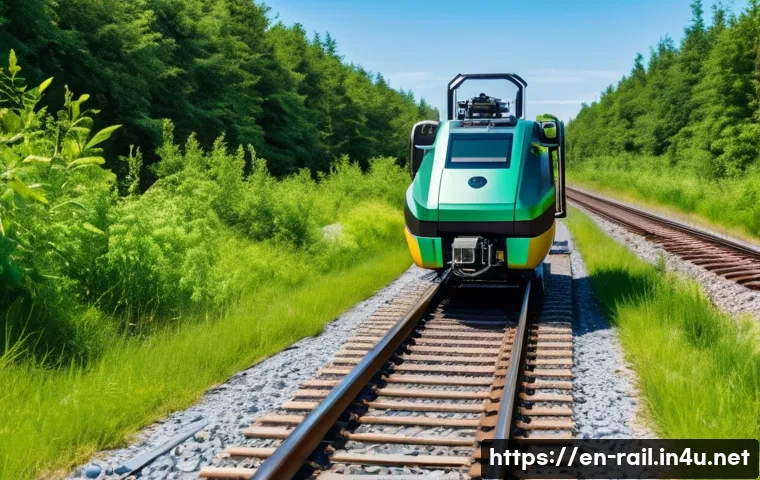
Robotic systems are increasingly deployed for tasks like track inspection, welding, and ballast cleaning. These machines work tirelessly and with high precision, detecting defects that might escape human eyes.
From personal experience visiting maintenance yards equipped with automated inspection robots, I noticed how much faster and safer these operations become.
Robots can cover miles of track without fatigue, providing high-resolution data and even performing minor repairs on the spot. This reduces the frequency of manual interventions, lowering labor costs and minimizing safety risks for workers who traditionally faced hazardous conditions on tracks.
Automated Scheduling and Resource Allocation
Besides physical automation, software-driven automation plays a crucial role in streamlining maintenance workflows. Intelligent scheduling tools analyze train timetables, track usage, and repair needs to optimize the timing of maintenance activities.
This means maintenance crews are deployed only when and where they’re truly needed, avoiding unnecessary work and downtime. I’ve observed rail companies using such platforms to balance operational demands with maintenance windows, leading to better resource utilization and cost control.
Automated systems also improve communication between departments, ensuring that delays or equipment issues are addressed swiftly without cascading into larger problems.
Drone Technology for Remote Inspection
Drones have become a game-changer for inspecting hard-to-reach rail infrastructure such as bridges, tunnels, and overhead lines. Equipped with high-definition cameras and sensors, drones can survey these assets quickly and safely, capturing detailed images and thermal data.
From my interactions with maintenance teams, the use of drones drastically cuts inspection time from days to hours while eliminating the need for costly scaffolding or shutdowns.
Besides cost savings, drones enhance worker safety by reducing exposure to dangerous environments. Their ability to deliver real-time data helps maintenance planners make informed decisions faster, avoiding expensive emergency repairs.
Optimizing Asset Management to Extend Infrastructure Life
Prioritizing Critical Components with Risk-Based Approaches
Not all rail assets are created equal in terms of maintenance urgency or cost impact. A risk-based asset management strategy focuses resources on components whose failure would cause the most disruption or expense.
This approach requires a thorough assessment of each asset’s condition, criticality, and failure consequences. In practice, I’ve seen this method help rail operators avoid spreading budgets thinly across minor issues while neglecting major vulnerabilities.
By prioritizing high-risk areas, operators can strategically plan interventions that maximize safety and reliability at lower overall cost.
Implementing Lifecycle Cost Analysis
Lifecycle cost analysis (LCCA) evaluates total ownership costs of rail assets from acquisition through disposal, including maintenance, repair, and renewal expenses.
Integrating LCCA into maintenance planning helps stakeholders choose the most cost-effective options, whether it’s upgrading to more durable materials or investing in advanced technologies.
I recall a case where switching to higher-grade rail steel initially seemed more expensive but ultimately reduced replacement frequency, resulting in net savings over a decade.
This long-term perspective encourages smarter investments and helps justify upfront expenditures that pay off through reduced maintenance costs.
Adopting Sustainable Materials and Practices
Sustainability is increasingly influencing rail maintenance decisions. Using eco-friendly materials, such as recycled ballast or low-impact lubricants, can reduce environmental impact while lowering disposal and procurement costs.
From my conversations with industry experts, sustainable practices also improve regulatory compliance and public perception, which indirectly supports funding and operational stability.
Additionally, energy-efficient maintenance equipment and procedures contribute to cost savings by cutting power consumption and emissions. This holistic approach aligns financial prudence with environmental responsibility, a win-win in today’s transportation landscape.
Enhancing Workforce Efficiency Through Training and Tools
Upskilling Maintenance Personnel
Investing in training programs for maintenance workers is vital to maximize productivity and reduce errors that lead to costly rework. Modern rail maintenance requires familiarity with sophisticated diagnostic tools and automated systems.
From my experience organizing workshops for rail technicians, those who receive continuous upskilling perform inspections and repairs more quickly and accurately.
Skilled personnel also adapt better to new technologies, accelerating their adoption and benefits. Enhanced workforce competence directly contributes to cutting downtime and maintenance expenses.
Deploying Mobile Maintenance Applications
Mobile apps designed for maintenance teams streamline communication, documentation, and task management on the go. I’ve seen maintenance crews use these apps to instantly report issues, access repair manuals, and update job statuses in real time.
This reduces paperwork and improves coordination between field teams and control centers. Faster information flow enables proactive maintenance actions and better tracking of labor hours and materials used, which helps managers control costs more effectively.
Promoting Safety Culture to Minimize Incidents
A strong safety culture reduces accidents that can cause expensive damage and operational disruptions. Training workers to follow best safety practices and encouraging reporting of hazards prevents incidents before they happen.
I’ve observed that companies prioritizing safety see fewer work-related injuries and equipment mishaps, which translates into lower insurance premiums and less unplanned maintenance.
A safe workforce is a more efficient one, and maintaining this culture is a cost-saving measure that pays dividends over time.
Smart Scheduling and Resource Management Techniques
Utilizing Dynamic Maintenance Windows
Rather than sticking to fixed maintenance schedules, dynamic maintenance windows adjust timing based on real-time operational data and demand fluctuations.
For example, maintenance can be planned during off-peak hours or when trains are rerouted, minimizing service interruptions. From what I’ve learned working with transit agencies, this flexibility leads to better asset availability and customer satisfaction while keeping labor costs in check.
Dynamic scheduling requires sophisticated planning tools but yields significant efficiency gains.
Coordinating Multi-Task Maintenance Activities
Combining multiple maintenance tasks in a single intervention reduces the frequency of track closures and mobilization costs. Instead of separate visits for inspection, repair, and cleaning, integrated maintenance bundles these activities together.
I recall a rail network that implemented this strategy and cut total maintenance time by 25%, which freed up crews for other priorities and lowered overall expenses.
Efficient coordination also improves equipment uptime and reduces the risk of missing critical repairs.
Optimizing Spare Parts Inventory
Maintaining the right balance of spare parts inventory is crucial to avoid both stockouts and excess storage costs. Advanced inventory management systems analyze usage patterns and predict future demand, ensuring parts availability without overstocking.
From my conversations with maintenance managers, this optimization reduces capital tied up in inventory and prevents delays caused by missing components.
Streamlined supply chains and just-in-time deliveries complement these efforts, further trimming costs.
Comparing Maintenance Strategies: Benefits and Costs
| Maintenance Strategy | Key Benefits | Typical Cost Impact | Implementation Challenges |
|---|---|---|---|
| Condition-Based Monitoring | Early fault detection, targeted repairs, reduced downtime | Moderate initial investment; long-term savings | Sensor installation, data management complexity |
| Predictive Analytics | Accurate failure forecasting, optimized scheduling | High upfront cost; significant reduction in emergency repairs | Requires skilled data scientists, integration with legacy systems |
| Automation (Robotics & Drones) | Faster inspections, improved safety, labor cost reduction | High capital expense; lower operational costs | Technical training, maintenance of robotic systems |
| Risk-Based Asset Management | Focused resource allocation, enhanced safety | Low to moderate; efficient use of budget | Accurate risk assessment, data collection |
| Lifecycle Cost Analysis | Informed investment decisions, long-term savings | Low; planning tool rather than direct cost | Requires comprehensive data and expertise |
Conclusion
Embracing predictive maintenance and automation technologies is transforming rail infrastructure management by enhancing efficiency and cutting costs. Real-time data, smart scheduling, and advanced analytics empower operators to make proactive decisions that improve safety and reliability. Investing in workforce skills and sustainable practices further strengthens long-term asset performance. Overall, these strategies create a more resilient and cost-effective rail system for the future.
Useful Information to Keep in Mind
1. Predictive maintenance reduces unexpected failures by using real-time condition monitoring and data analytics, leading to significant cost savings.
2. Automation tools like robotics and drones improve inspection speed and worker safety while lowering labor expenses.
3. Risk-based asset management helps prioritize critical repairs, ensuring resources are spent where they matter most.
4. Lifecycle cost analysis guides smarter investments by evaluating total ownership costs rather than just upfront expenses.
5. Ongoing training and mobile applications enhance workforce productivity and streamline maintenance workflows.
Key Takeaways for Effective Rail Maintenance
Focusing on condition-based and predictive maintenance enables early problem detection and targeted interventions, minimizing downtime and expenses. Integrating IoT and automation technologies boosts operational efficiency and safety while reducing manual labor. Prioritizing high-risk assets and applying lifecycle cost analysis ensures optimal allocation of funds and long-term savings. Lastly, empowering maintenance teams through continuous training and digital tools is essential for sustaining these benefits and adapting to evolving technologies.
Frequently Asked Questions (FAQ) 📖
Q: How does predictive maintenance reduce railway maintenance costs without compromising safety?
A: Predictive maintenance uses real-time data from sensors to monitor the actual condition of railway components. By identifying potential issues before they become critical, it prevents costly breakdowns and unscheduled downtime.
This approach allows maintenance teams to target repairs precisely when needed, rather than following fixed schedules that might lead to unnecessary inspections or replacements.
From my experience, this not only saves money but also enhances safety by addressing problems early, reducing the risk of accidents caused by equipment failure.
Q: What role does automation play in modern railway maintenance?
A: Automation streamlines many routine and labor-intensive tasks, such as track inspections and repairs, by deploying drones, robotic systems, or automated machinery.
These technologies can perform inspections faster and more accurately than humans, often in hazardous or hard-to-reach areas. I’ve seen firsthand how automation reduces human error and frees up skilled workers to focus on complex issues, ultimately lowering labor costs and minimizing service disruptions.
Plus, automated systems can operate around the clock, speeding up maintenance cycles and improving overall network reliability.
Q: Why is condition-based monitoring considered a game-changer for extending railway infrastructure lifespan?
A: Condition-based monitoring involves continuously tracking the health of infrastructure components like rails, switches, and signaling equipment. This method helps pinpoint wear and tear patterns, enabling timely interventions before damage worsens.
From what I’ve observed, this proactive strategy extends the lifespan of expensive assets by preventing premature replacements and optimizing repair schedules.
It also supports sustainability goals by reducing material waste and energy consumption, making it a smart choice for modern rail operators aiming to balance cost savings with environmental responsibility.