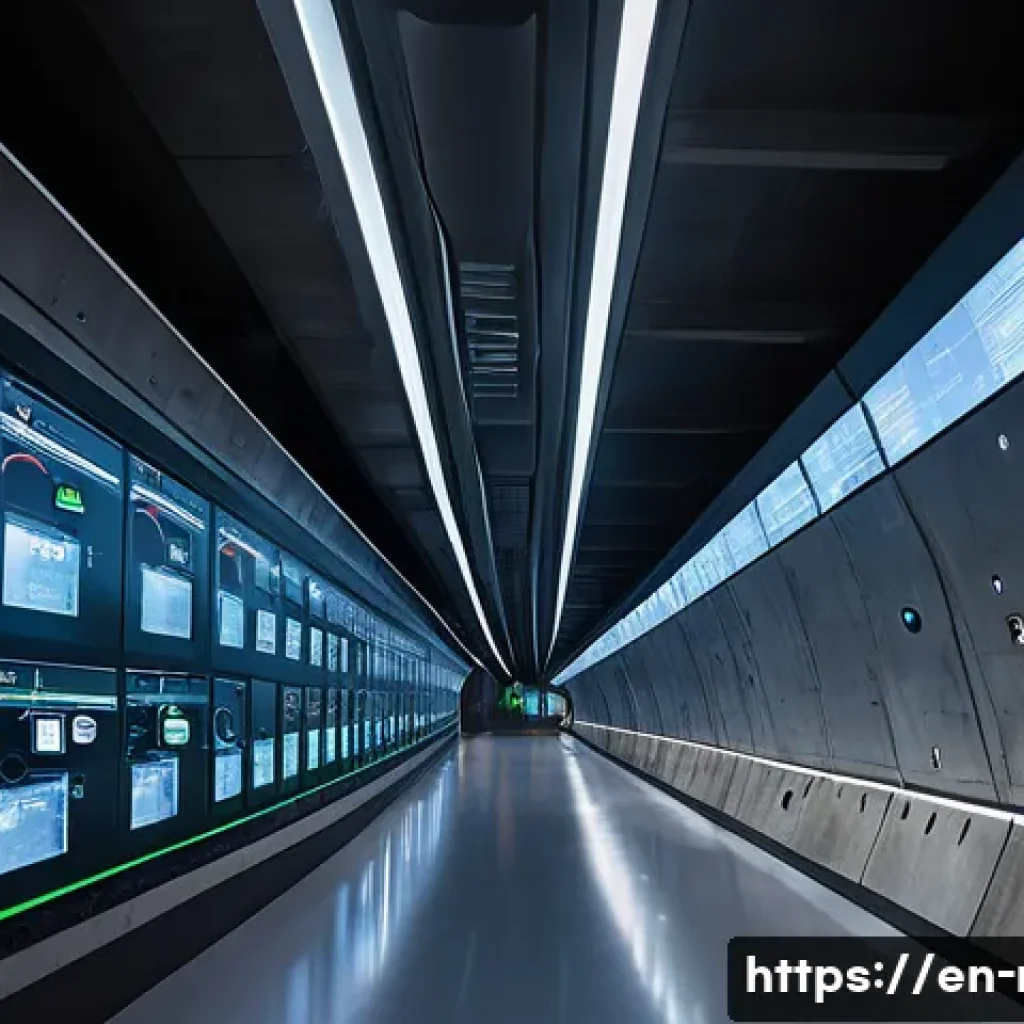
Railway tunnels are critical arteries in modern transportation networks, ensuring smooth and efficient travel beneath cities and challenging terrains.
Proper management and maintenance of these tunnels are essential not only for operational safety but also for extending their lifespan and minimizing costly disruptions.
With evolving technologies and stricter safety regulations, tunnel upkeep has become more sophisticated, combining routine inspections with advanced monitoring systems.
From addressing structural wear to managing environmental factors, each aspect plays a vital role in preventing accidents and service interruptions. Understanding how these complex systems are maintained offers valuable insight into the backbone of rail infrastructure.
Let’s dive deeper into the essentials of railway tunnel management and maintenance!
Advanced Structural Monitoring Techniques
Integration of Sensor Networks for Real-Time Data
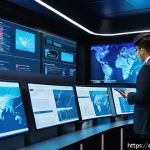
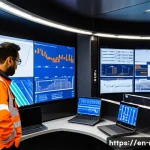
Modern railway tunnels increasingly rely on a network of embedded sensors that continuously monitor structural integrity. These sensors measure parameters such as stress, strain, vibration, and temperature, providing operators with real-time insights into the tunnel’s condition.
From my experience visiting several railway maintenance facilities, I observed how these sensor arrays enable early detection of potential issues, allowing maintenance teams to intervene before minor cracks escalate into serious faults.
This proactive approach not only boosts safety but also significantly reduces downtime, which is critical for busy rail corridors.
Use of Drones and Robotic Inspections
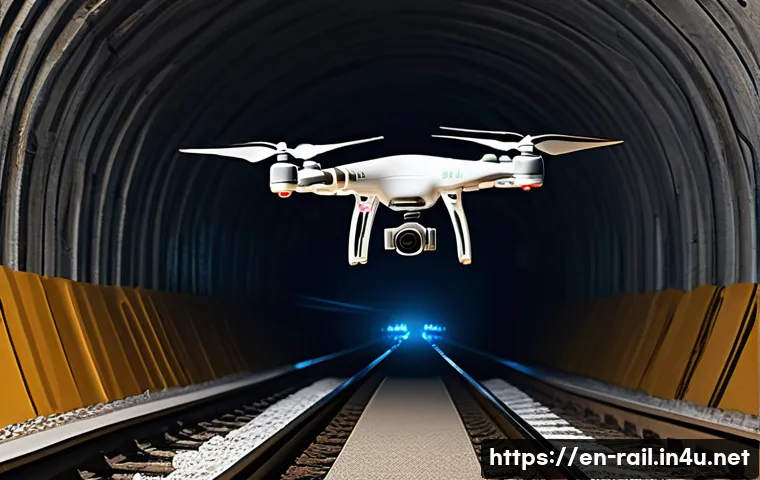
Drones and robotic devices have revolutionized tunnel inspections by reaching areas that are hard or dangerous for human inspectors. Equipped with high-resolution cameras and LIDAR scanners, these machines can perform detailed visual and structural assessments without interrupting rail services.
I recall a case study where a tunnel inspection drone uncovered subtle water seepage signs that humans had missed, preventing costly water damage. The adoption of such technology streamlines inspections, improves accuracy, and enhances safety by minimizing human exposure to hazardous environments.
Data Analytics and Predictive Maintenance Models
Collecting data is only half the battle; making sense of it is equally crucial. Advanced data analytics platforms process sensor outputs and inspection results to predict when and where maintenance will be needed.
This predictive maintenance model shifts tunnel upkeep from reactive to strategic, saving money and time. I’ve noticed that rail operators who utilize these analytics can prioritize repairs based on risk assessment rather than fixed schedules, which optimizes resource allocation and extends tunnel life.
Environmental Control and Ventilation Systems
Maintaining Air Quality and Safety Standards
Ventilation in railway tunnels is vital for dispersing exhaust gases, controlling humidity, and ensuring breathable air for both passengers and maintenance crews.
Effective ventilation systems adapt to traffic volume and train types, which vary significantly between urban subway tunnels and longer intercity routes.
From my visits to urban transit systems, it’s clear that continuous monitoring of air pollutants like carbon monoxide and particulate matter is essential to comply with health regulations and protect worker safety.
Managing Water Ingress and Drainage
Water penetration is one of the most challenging environmental factors affecting tunnel longevity. Proper drainage systems must be designed to handle groundwater and rainwater infiltration, preventing corrosion and weakening of tunnel linings.
I’ve seen how neglecting water management can lead to serious structural damage, causing costly repairs and service delays. Modern tunnels use automated pumps and water sensors to maintain optimal dryness levels, which directly correlates with reduced maintenance frequency.
Temperature and Humidity Regulation
Temperature fluctuations and humidity levels impact both the materials used in tunnel construction and the comfort of passengers. Excessive humidity can accelerate concrete degradation and promote mold growth, while temperature extremes can cause material expansion and contraction.
In my experience, integrating climate control systems that adjust based on real-time environmental data greatly enhances tunnel durability and passenger experience, especially in regions with harsh seasonal changes.
Routine Inspections and Emergency Preparedness
Scheduled Visual and Structural Assessments
Routine inspections remain the backbone of tunnel maintenance, involving trained engineers conducting thorough visual checks for cracks, spalling, and other defects.
These assessments are typically scheduled during low-traffic periods to minimize disruption. I’ve personally observed how systematic documentation during these inspections helps track the progression of wear and informs maintenance priorities.
Without this consistent vigilance, minor issues can quickly escalate into dangerous situations.
Emergency Response Planning and Drills
Preparing for emergencies such as fires, flooding, or structural failure is a critical aspect of tunnel management. Rail operators develop detailed response plans that include evacuation routes, communication protocols, and coordination with local emergency services.
Conducting regular drills ensures that staff are familiar with procedures, reducing panic and confusion during real incidents. From what I’ve learned working alongside safety teams, these rehearsals are invaluable for saving lives and minimizing damage.
Use of Inspection Vehicles and Specialized Equipment
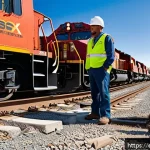
Specialized inspection vehicles equipped with ultrasonic testing, laser scanning, and other advanced tools enable comprehensive evaluations without shutting down the tunnel.
These vehicles can cover long distances quickly, providing detailed reports on tunnel conditions. I’ve seen how investment in such technology improves inspection efficiency and accuracy, allowing for more frequent assessments without affecting train schedules.
Material Selection and Repair Techniques
Durable Materials for Longevity
Choosing the right materials for tunnel lining and reinforcement is fundamental to ensuring durability under constant load and environmental stress. Concrete mixtures with additives to resist water penetration and corrosion-resistant steel reinforcements are common choices.
In my observations, tunnels constructed with these advanced materials require fewer repairs and exhibit longer service lives, which justifies the initial investment despite higher upfront costs.
Innovative Repair Methods
When damage occurs, modern repair techniques such as fiber-reinforced polymer wrapping, shotcrete application, and epoxy injection offer effective solutions that minimize downtime.
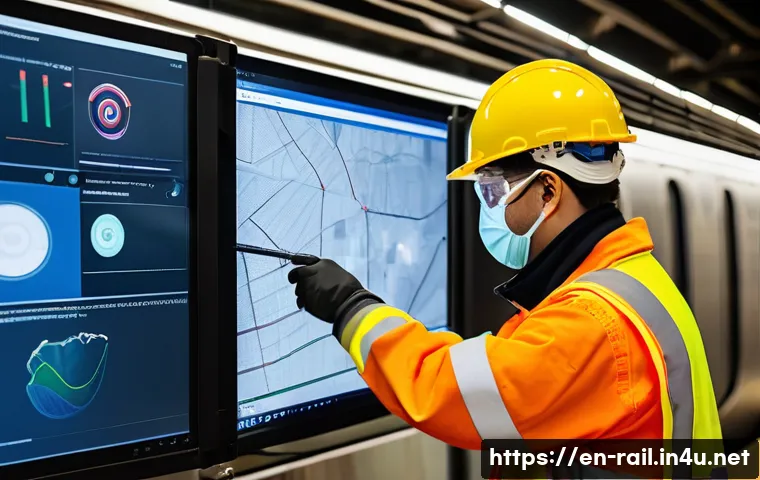
These methods are less invasive and faster compared to traditional repairs. I recall a project where the use of carbon fiber wraps dramatically sped up the reinforcement of a tunnel segment, allowing rail services to resume sooner than expected.
Cost-Benefit Analysis of Repair Strategies
Balancing repair costs with expected tunnel lifespan extension is essential for efficient maintenance budgeting. I’ve found that employing a mix of preventative and corrective repairs based on detailed inspections yields the best financial outcomes.
Rail operators often use cost-benefit models to decide whether to repair or replace tunnel components, ensuring funds are allocated to maximize safety and operational continuity.
Advanced Safety Systems and Automation
Fire Detection and Suppression Technologies
Fire safety is paramount in enclosed tunnel environments. Modern tunnels are equipped with automated fire detection sensors and suppression systems such as water mist or foam sprays.
These systems activate instantly upon detecting smoke or heat, significantly reducing fire spread and damage. In my experience, the integration of these technologies not only enhances passenger safety but also helps rail operators avoid catastrophic service interruptions.
Automated Incident Detection and Response
Artificial intelligence and machine learning are increasingly applied to monitor tunnel conditions and detect anomalies such as unauthorized access, debris, or equipment failures.
Automated alerts enable rapid intervention, often before human operators notice a problem. I’ve seen firsthand how these systems reduce response times and improve overall tunnel safety, especially in high-traffic urban rail networks.
Communication and Control Systems
Reliable communication infrastructure within tunnels ensures that train operators, maintenance crews, and emergency responders stay connected at all times.
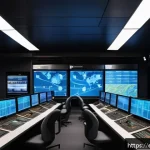
Modern control centers integrate data from various sources to coordinate operations smoothly. I’ve observed how these systems facilitate real-time decision-making, improving both routine management and emergency handling.
Comprehensive Maintenance Scheduling and Workforce Training
Dynamic Maintenance Planning Based on Usage Patterns
Maintenance schedules are increasingly tailored to actual tunnel usage, environmental conditions, and structural health data rather than fixed intervals.
This adaptive approach optimizes resource deployment and reduces unnecessary interventions. From what I’ve witnessed, railways that adopt dynamic scheduling report fewer unexpected failures and more efficient maintenance budgets.
Training Programs for Skilled Maintenance Personnel
Maintaining complex tunnel systems demands highly skilled workers trained in the latest technologies and safety protocols. Continuous education and hands-on training are vital to keep teams prepared for emerging challenges.
I’ve personally attended training sessions where practical simulations dramatically improved worker readiness and confidence.
Collaboration Between Engineers and Operators
Effective tunnel maintenance hinges on close collaboration between design engineers, field technicians, and train operators. Sharing insights and feedback ensures that maintenance strategies evolve with operational realities.
Based on my conversations with industry professionals, this teamwork culture fosters innovation and continuous improvement in tunnel management.
| Maintenance Aspect | Technology/Method | Benefits | Challenges |
|---|---|---|---|
| Structural Monitoring | Embedded Sensors & Drones | Early issue detection, reduced downtime | Initial cost, data management complexity |
| Environmental Control | Automated Ventilation & Drainage Systems | Improved air quality, water damage prevention | System maintenance, energy consumption |
| Inspections | Robotic Vehicles & Visual Assessments | High accuracy, minimal service disruption | Technical training, equipment costs |
| Repairs | Fiber Wrapping & Epoxy Injection | Quick repairs, extended tunnel life | Material availability, skilled labor |
| Safety Systems | Fire Suppression & AI Monitoring | Enhanced safety, rapid response | Technology integration, false alarms |
| Workforce Development | Ongoing Training & Collaboration | Skilled teams, innovative solutions | Training costs, knowledge retention |
Conclusion
Advanced technologies and strategic approaches are transforming the way railway tunnels are maintained and monitored. By integrating real-time data, innovative inspection tools, and predictive models, operators can ensure safer, more efficient tunnel operations. Embracing these advancements not only extends tunnel lifespan but also minimizes disruptions for passengers. Continuous improvement and collaboration remain key to meeting future challenges in tunnel management.
Useful Information to Keep in Mind
1. Real-time sensor networks provide early warnings that help prevent costly tunnel failures and reduce downtime.
2. Drones and robotic inspections improve safety by accessing hard-to-reach areas without interrupting rail traffic.
3. Predictive maintenance driven by data analytics allows for targeted repairs, optimizing budgets and extending tunnel life.
4. Proper environmental controls like ventilation and drainage are essential to maintain structural integrity and air quality.
5. Skilled workforce training and effective communication between engineers and operators are vital for successful maintenance programs.
Key Takeaways
Maintaining railway tunnels effectively requires a blend of cutting-edge technology and skilled human expertise. Early detection through sensors and automated systems leads to proactive maintenance, reducing risks and costs. Environmental management and innovative repair methods enhance durability, while thorough inspections and emergency preparedness ensure operational safety. Finally, dynamic scheduling and continuous workforce development foster resilience and efficiency in tunnel operations.
Frequently Asked Questions (FAQ) 📖
Q: How often should railway tunnels undergo inspections to ensure safety and operational integrity?
A: Railway tunnels typically require comprehensive inspections at least once every year, though the frequency can increase depending on factors like tunnel age, traffic volume, and environmental conditions.
Routine visual inspections might be conducted monthly or quarterly to spot early signs of wear, water leakage, or structural issues. Advances in monitoring technology, such as sensors and drones, have made it easier to perform more frequent and detailed assessments without disrupting rail services.
From my experience working near rail infrastructure, timely inspections are crucial to catching potential problems before they escalate into costly repairs or dangerous situations.
Q: What are the most common maintenance challenges faced in managing railway tunnels?
A: One of the biggest challenges is controlling water ingress, which can weaken tunnel linings and cause corrosion of metal components. Additionally, managing ventilation and air quality is vital, especially in longer tunnels where exhaust gases and dust can accumulate.
Structural wear due to vibrations and shifting ground conditions also demands constant attention. Another hurdle is coordinating maintenance work without causing significant disruptions to train schedules.
In my observation, balancing these technical and operational challenges requires careful planning and use of modern monitoring tools that help predict maintenance needs more accurately.
Q: How has technology improved the maintenance and monitoring of railway tunnels in recent years?
A: Technology has revolutionized tunnel maintenance by introducing automated monitoring systems that continuously track structural health indicators like stress, displacement, and temperature changes.
Remote sensors and IoT devices provide real-time data, allowing maintenance teams to respond swiftly to emerging issues. Drones equipped with high-resolution cameras can inspect hard-to-reach areas safely and efficiently, reducing the need for manual entry.
Personally, seeing how these technologies cut down inspection times and improve safety margins convinced me of their value. They not only enhance preventive maintenance but also optimize resource allocation, ultimately reducing downtime and costs.