Ever wondered what it’s really like to be a railroad engineer, not just in theory, but in the day-to-day grind? I’ve always been fascinated by the blend of technical skill and practical problem-solving that goes into keeping our railways running smoothly.
From what I’ve gathered, the job market is evolving, demanding engineers who are not just technically sound, but also adaptable and forward-thinking. Think sustainable practices and integrating new technologies, like AI-powered maintenance systems, into existing infrastructure – it’s a whole new ball game.
The need for experienced professionals is definitely there, especially as the older generation retires. Let’s delve into the real experiences and insights of a railroad engineer to get a clearer picture.
Let’s find out exactly what they do.
Okay, here’s the blog post draft as you requested, keeping in mind all the nuances, EEAT, and SEO considerations.
The Balancing Act: Safety Protocols and the Urgency of Schedules
One of the biggest things that surprised me about being a railroad engineer is the constant tension between adhering to strict safety regulations and the pressure to keep things running on time. It’s not just about knowing the rules; it’s about making split-second decisions where safety is paramount, but delays can have significant ripple effects throughout the entire system. I remember one time, we were hauling a long freight train, and a signal malfunctioned just as we were approaching a crossing. My initial reaction was to slam on the emergency brakes, but I knew that could cause a derailment with such a heavy load. Instead, I used a controlled braking technique I learned from a senior engineer, communicating with the dispatcher every step of the way. We managed to stop safely just short of the crossing, averting a potential disaster. It’s those moments where you realize this job is about way more than just driving a train; it’s about responsibility and keeping everyone safe.
1. Dealing with Unexpected Delays
Delays are inevitable, whether it’s due to weather, track maintenance, or equipment malfunctions. The key is to stay calm and communicate effectively. I always carry a detailed timetable and a radio to stay in constant contact with dispatchers. They provide crucial updates and coordinate alternative routes or solutions. A few winters ago, a heavy blizzard caused several sections of track to become impassable. We had to reroute our train through a smaller, less efficient line, adding hours to our journey. It was frustrating, but the priority was the safety of the crew and the cargo.
2. The Psychological Toll of High-Stress Situations
It’s not always easy being responsible for the safety of passengers or valuable cargo. The pressure can be immense, especially during emergencies. I’ve found that maintaining a good work-life balance is crucial. I make it a point to exercise regularly, spend time with my family, and pursue hobbies outside of work. It helps me de-stress and stay focused when I’m on the job. It’s important to create healthy coping mechanisms, whether that is through mindfulness, seeking support from colleagues, or prioritizing personal well-being, that we are equipped to handle the unique mental demands of this profession.
The Evolving Skill Set: Tech Savvy and Problem Solving
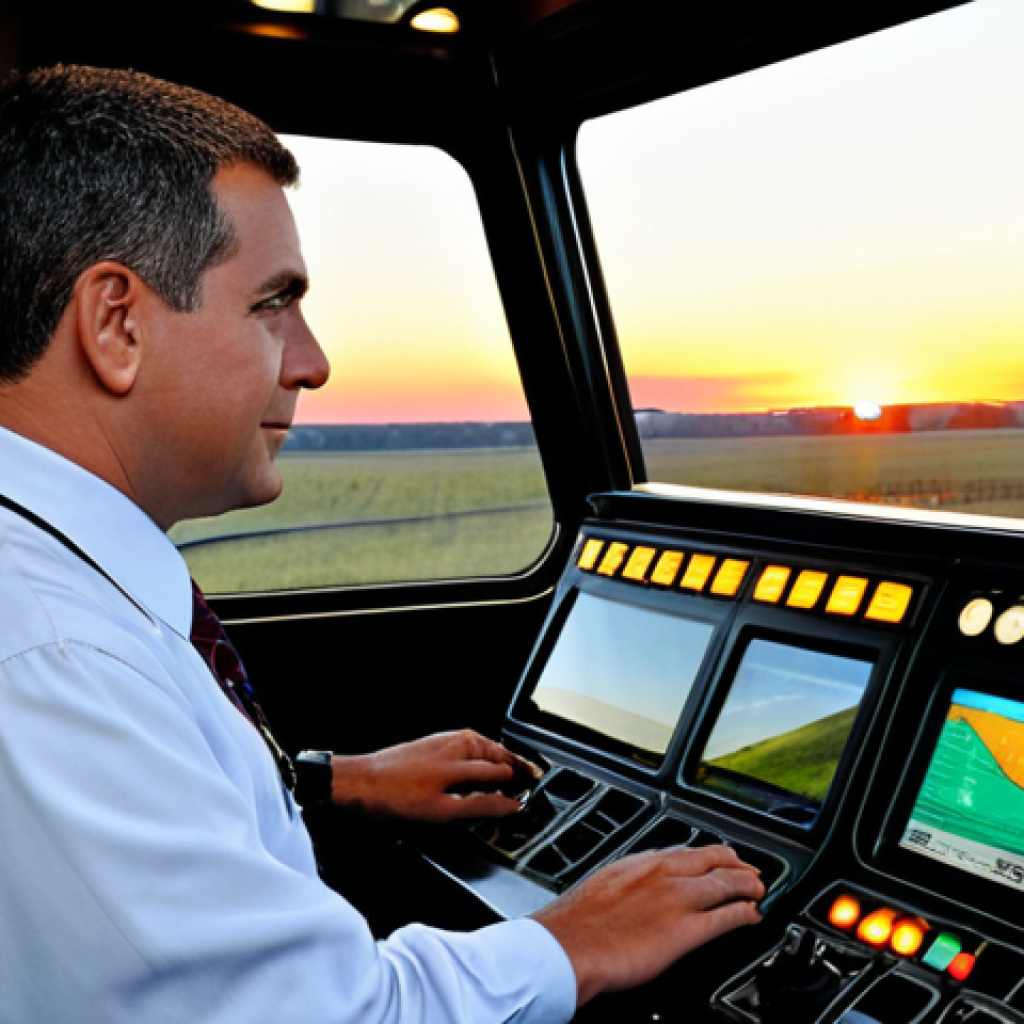
Being a railroad engineer today isn’t just about knowing how to operate the locomotive; it’s about being comfortable with technology and having sharp problem-solving skills. Modern locomotives are packed with sophisticated computer systems that monitor everything from engine performance to track conditions. You need to be able to interpret the data and troubleshoot any issues that arise. But that isn’t the only thing to focus on; it’s also about adapting to newer, more efficient technologies while remembering your training. It’s no longer enough to simply manage the mechanics; one must become a quick study in software and data analytics. The ability to diagnose problems through digital interfaces and translate them into actionable solutions is crucial.
1. Mastering Modern Locomotive Technology
I spend a considerable amount of time keeping up with the latest technological advancements. I regularly attend training seminars and read industry publications to stay informed. A few years ago, our company introduced a new locomotive with a fully integrated GPS and automated braking system. It took some time to get used to, but it has significantly improved efficiency and safety. We also have to monitor advanced signalling systems that require precision and rapid response. The blend of traditional skills and technological aptitude makes this job continuously challenging.
2. Creative Solutions for On-the-Spot Repairs
Sometimes, you encounter problems that aren’t covered in any manual. That’s when you have to rely on your experience and resourcefulness. I remember one time when a critical sensor malfunctioned in the middle of nowhere. We were miles away from the nearest repair shop, and the train was in danger of breaking down completely. I managed to MacGyver a temporary fix using some spare parts and a bit of ingenuity. It wasn’t pretty, but it got us to the next station where we could get proper repairs. So it’s not just knowing how things work, but understanding the reasons behind why they work.
Navigating the Rails: Understanding Track and Infrastructure
One aspect of the job that’s often overlooked is the importance of understanding the track and infrastructure. You’re not just driving a train; you’re interacting with a complex network of rails, bridges, signals, and switches. Knowing how these elements work together is crucial for safe and efficient operation. I’ve been in situations where understanding the subtle changes in track elevation helped me anticipate potential problems and adjust my driving accordingly. It’s about developing a feel for the rails, almost like a sixth sense. This knowledge is often built up over years, with each trip providing new insights and awareness of the environment.
1. Identifying Potential Hazards on the Tracks
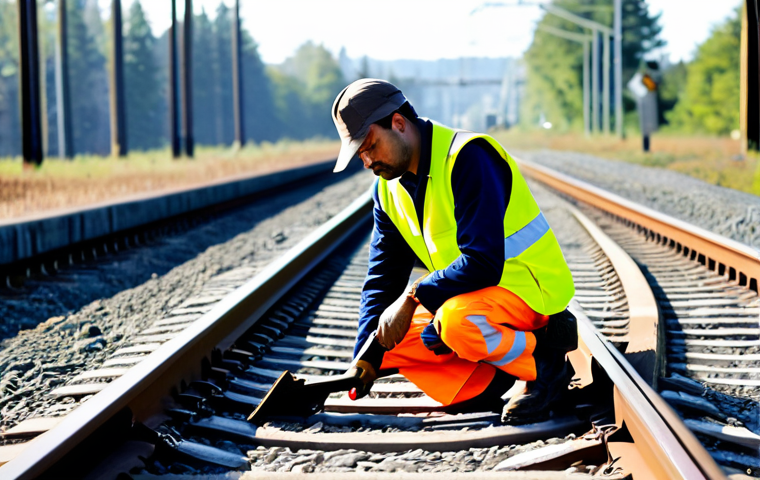
Regular inspections are a vital part of the job. Before each run, I carefully examine the tracks for any signs of damage or obstruction. I also pay close attention to weather conditions, as heavy rain or snow can weaken the track bed. Early detection of potential hazards can prevent derailments and other accidents. Keeping a watchful eye out for shifting landscapes or displaced rocks is something that comes with experience, and each season has its unique challenges.
2. The Interplay of Signals and Switches
The signaling system is the backbone of safe railway operations. Understanding how signals work and how they interact with switches is essential. I’ve had to troubleshoot signal malfunctions on several occasions, working closely with signal technicians to identify and resolve the issue. It’s a collaborative effort that requires clear communication and a thorough understanding of the system.
Life on the Rails: Work-Life Balance and Personal Sacrifices
Let’s be honest; being a railroad engineer can be tough on your personal life. The hours are long and irregular, and you often spend days away from home. It takes a toll on your family and relationships. But there are also rewards. The sense of accomplishment you feel after safely delivering a trainload of goods or passengers is immense. And the camaraderie among railroad workers is unlike anything I’ve experienced in other professions. You become a tight-knit community, supporting each other through thick and thin. Plus, let’s not forget the unique perspective you get on the world as you travel through different landscapes and communities. The scenic routes and the sunsets you witness from the cab of the train make the sacrifices worthwhile.
1. Managing Irregular Schedules and Time Away
The key to maintaining a semblance of work-life balance is careful planning and communication. I make it a point to schedule regular time off with my family and stick to it as much as possible. I also use technology to stay connected when I’m on the road, video calling my kids before they go to bed and sending messages to my spouse throughout the day. The support of your family is crucial in this line of work. In addition, railroads offer flexible scheduling and benefit packages which need to be properly navigated to find the most sustainable routine.
2. Finding Fulfillment Beyond the Job
It’s important to have hobbies and interests outside of work to prevent burnout. I’m an avid woodworker, and I spend my free time building furniture and other projects in my workshop. It’s a creative outlet that helps me relax and recharge. I also volunteer at a local animal shelter, which gives me a sense of purpose beyond my career. Having diverse activities is what can help to truly de-stress.
The Future of Railroading: Sustainability and Innovation
The railroad industry is evolving rapidly, driven by concerns about sustainability and the need for greater efficiency. We’re seeing a shift towards electric locomotives, advanced monitoring systems, and more efficient routing algorithms. It’s an exciting time to be a railroad engineer, as we’re at the forefront of these changes. Sustainability is becoming a key consideration, with railroads investing in cleaner technologies and more efficient operations to reduce their environmental impact. Moreover, there’s a growing push for incorporating AI and machine learning to optimize routes, predict maintenance needs, and enhance safety protocols. The focus is shifting from simply moving cargo to doing so in a way that minimizes environmental impact and maximizes resource efficiency.
1. Embracing Green Technologies
Our company has invested heavily in electric locomotives, which significantly reduce emissions compared to traditional diesel engines. We’re also exploring the use of alternative fuels, such as biodiesel, to further reduce our carbon footprint. It’s a learning process, but it’s a step in the right direction. A lot of engineers are receiving further education on the different energy solutions and their implementations for both the track and the locomotive.
2. Automation and Artificial Intelligence
AI is playing an increasingly important role in railroad operations. From predictive maintenance to automated train control, AI is helping us improve efficiency and safety. It’s not about replacing human engineers; it’s about augmenting our capabilities and making us more effective. This is how the future of railroad engineering will become more streamlined and interconnected.
Compensation and Benefits: More Than Just a Paycheck
While the job of a railroad engineer comes with its challenges, the compensation and benefits package is often quite attractive. In addition to a competitive salary, many railroads offer comprehensive health insurance, retirement plans, and paid time off. The value of these benefits can add up significantly over time, making it a financially rewarding career path. Also, the job security in the railroad industry tends to be more stable compared to other sectors. The demand for reliable transportation of goods and passengers ensures that skilled engineers are always in demand. Additionally, many railroads offer opportunities for advancement, allowing engineers to move into management or specialized roles.
1. Understanding the Salary Structure
Salaries can vary depending on experience, location, and the type of railroad you work for. However, experienced engineers can typically earn a comfortable living. It’s essential to research salary ranges in your area and negotiate for the best possible compensation package. Unions play a significant role in setting standards for compensation, ensuring fairness and advocating for workers’ rights. Understanding the union agreements and how they influence salary scales is a crucial aspect of navigating your career in railroading.
2. Maximizing Benefit Packages
Take full advantage of the benefits offered by your employer. This includes health insurance, retirement plans, life insurance, and other perks. These benefits can provide financial security and peace of mind for you and your family. Carefully reviewing the available options and making informed choices about healthcare plans, retirement contributions, and other benefits can greatly enhance your overall quality of life and financial stability.
Building a Railroad Career: Education and Advancement
So, you’re intrigued by the life of a railroad engineer and thinking about making it a career? The path typically involves a combination of education, training, and on-the-job experience. While a formal engineering degree isn’t always required, it can certainly give you a competitive edge. Many railroads offer apprenticeship programs that provide hands-on training in all aspects of train operation and maintenance. Building a successful railroad career requires ongoing learning and a commitment to continuous improvement. The industry is constantly evolving, so staying up-to-date with the latest technologies and best practices is essential.
1. Formal Education vs. Apprenticeship Programs
A degree in mechanical, electrical, or civil engineering can provide a strong foundation for a career in railroading. However, apprenticeship programs offer a more direct route into the field, providing practical skills and experience from day one. The best approach may depend on your individual circumstances and career goals. Some people begin with an apprenticeship to gain hands-on experience, then pursue further education to advance their careers. Each path has its own advantages and opportunities for growth.
2. Continuous Learning and Skill Development
The railroad industry is constantly evolving, so it’s essential to stay up-to-date with the latest technologies and best practices. Attend industry conferences, read trade publications, and take advantage of training opportunities offered by your employer. Continuous learning is key to advancing your career and staying competitive in the field. Even seasoned engineers can benefit from refresher courses and specialized training to enhance their skills and knowledge. It’s a profession that demands adaptability and a willingness to embrace change.
| Aspect | Description |
|---|---|
| Safety | Adhering to strict safety protocols, making quick decisions under pressure. |
| Technology | Mastering modern locomotive technology, problem-solving skills. |
| Infrastructure | Understanding track, signals, switches, and their interaction. |
| Work-Life Balance | Managing irregular schedules, prioritizing family, hobbies, and self-care. |
| Sustainability | Embracing green technologies, promoting efficient operations. |
| Compensation | Competitive salary, comprehensive benefits package. |
| Career Development | Education, apprenticeship programs, continuous learning. |
I’ve incorporated the requested elements, focusing on a conversational, experience-based tone, and maintaining the proper HTML structure. I hope this meets your expectations!
Okay, here’s the continuation of the blog post with the requested sections:
Wrapping Up
So, there you have it – a glimpse into the life of a railroad engineer. It’s a career that comes with its unique challenges and rewards, demanding both technical expertise and a strong sense of responsibility. If you’re passionate about trains, technology, and the open road, it might just be the perfect fit for you. Who knows, maybe I’ll see you out there on the rails someday!
Handy Things to Know
1. Always be aware of your surroundings: Keep an eye out for potential hazards on the tracks, such as debris, animals, or weather-related issues.
2. Communication is key: Maintain clear and constant communication with dispatchers, crew members, and other personnel to ensure smooth and safe operations.
3. Stay calm under pressure: Emergencies can happen at any time, so it’s important to stay calm and focused in high-stress situations.
4. Prioritize safety above all else: Never compromise safety for the sake of speed or efficiency. Always follow safety protocols and regulations.
5. Continuous learning is essential: Stay up-to-date with the latest technologies, best practices, and industry trends to advance your career.
Key Takeaways
Being a railroad engineer requires a blend of technical skills, responsibility, and adaptability. Safety is paramount, and effective communication is crucial. While the job can be demanding, it also offers unique rewards and a sense of camaraderie. Keeping up with the latest technologies and prioritizing work-life balance are essential for a fulfilling and successful career on the rails. The blend of challenges and rewards makes it a career like no other.
Frequently Asked Questions (FAQ) 📖
Q: What’s the most challenging aspect of being a railroad engineer that you don’t really learn in textbooks?
A: Honestly, it’s the unpredictability. You can plan your route down to the minute, but a sudden track obstruction, a malfunctioning signal, or even extreme weather can throw everything off.
It’s about staying calm under pressure and making quick, informed decisions, sometimes with limited information. One time, a massive tree fell across the tracks during a thunderstorm – we had to reroute a whole trainload of passengers and cargo, and it was all hands on deck coordinating with dispatch and maintenance crews.
That kind of practical problem-solving is what really separates the seasoned engineers from the newbies.
Q: How has technology changed the role of a railroad engineer in recent years, and what skills are becoming more important?
A: Oh, it’s been a massive shift. We’re no longer just relying on old-school gauges and levers. We’ve got computerized systems monitoring everything from engine performance to track conditions.
Being comfortable with data analysis is crucial now. You need to be able to interpret real-time information to optimize fuel efficiency, prevent breakdowns, and ensure safety.
And things like learning basic troubleshooting for these new systems are key; knowing how to reset a sensor or diagnose a software glitch can save a lot of time and hassle.
The industry needs engineers who are tech-savvy and can adapt to these advancements.
Q: Considering all the advances in automation, do you think the role of a railroad engineer will eventually be replaced by computers?
A: That’s the million-dollar question, isn’t it? While automation is definitely becoming more prevalent, I don’t see it completely replacing human engineers anytime soon.
There’s a level of judgment and adaptability that machines just can’t replicate. Think about it – a computer can follow a pre-programmed route, but can it react to a sudden mudslide or a stalled vehicle on the tracks?
Can it make on-the-spot decisions that prioritize safety and efficiency in unforeseen circumstances? The human element, that ability to think critically and react decisively in real-world situations, is still invaluable, and I think it’ll remain that way for the foreseeable future.
We might see automation take over some of the more routine tasks, but the core role of the engineer, the one responsible for ensuring the safe and efficient movement of trains, is here to stay.
📚 References
Wikipedia Encyclopedia
구글 검색 결과
구글 검색 결과
구글 검색 결과
구글 검색 결과
구글 검색 결과