Attending a hands-on railway workshop recently opened my eyes to the intricate world of train operations and safety protocols. It wasn’t just theory; we dove into real-life scenarios that professionals face daily, which made the experience truly immersive.
What struck me most was how technology and human expertise blend seamlessly to keep railways running smoothly. Whether you’re a transport enthusiast or someone curious about infrastructure, this workshop offers valuable insights.
If you’ve ever wondered how rail systems stay efficient and safe, you’re in for a treat. Let’s dive deeper and explore everything this workshop revealed!
Understanding the Complexities of Train Control Systems
How Signaling Technology Keeps Trains on Track
The workshop introduced me to the heart of railway safety: signaling systems. It was fascinating to see how these technologies orchestrate train movements with precision.
Modern railways rely heavily on automated signals that communicate real-time track conditions to train operators and control centers. I got hands-on experience with different types of signaling devices, from traditional light signals to advanced electronic interlockings.
What really stood out was the layered safety approach—multiple fail-safes ensure that even if one system fails, others immediately take over to prevent accidents.
This blend of technology and redundancy is what keeps trains running smoothly and passengers safe every day.
Real-Time Monitoring and Its Role in Preventing Delays
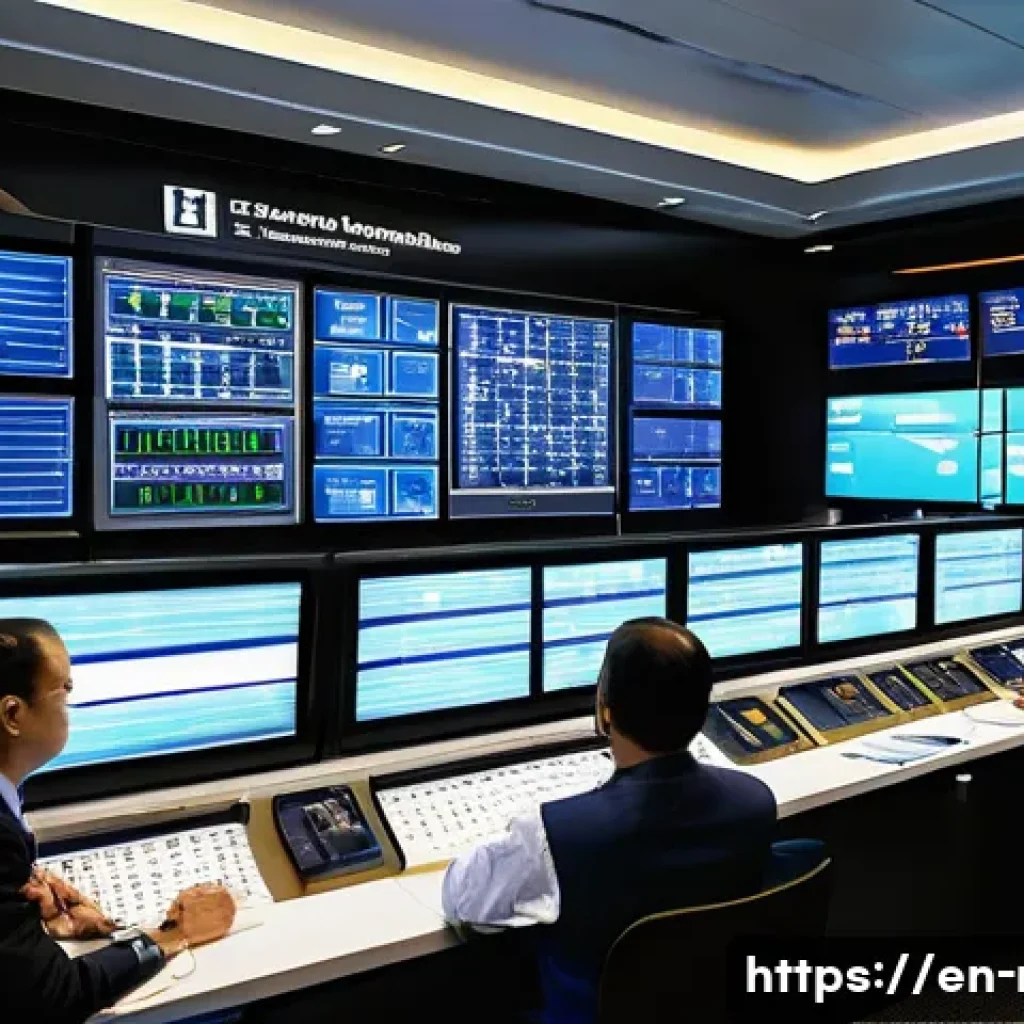
Another eye-opener was the real-time monitoring systems that track trains across the network. These systems collect data from sensors embedded in tracks and trains, feeding it into centralized software that predicts potential delays or hazards.
I observed how dispatchers use these insights to reroute trains or adjust speeds proactively. The workshop allowed me to simulate such decision-making scenarios, and I quickly realized how critical timing and communication are.
It’s not just about reacting to problems but anticipating them before they escalate, which significantly enhances overall efficiency.
Human Expertise Behind Automated Systems
Even with cutting-edge technology, human expertise remains indispensable. The instructors emphasized that operators and engineers undergo rigorous training to interpret data and handle unexpected situations.
I learned that while automation manages routine tasks, complex scenarios require quick thinking and experience. For instance, if a sensor malfunctions, human operators must quickly diagnose the issue and implement manual controls.
This seamless interaction between man and machine was a recurring theme, highlighting that technology supports but doesn’t replace skilled personnel.
Exploring Safety Protocols That Save Lives
Emergency Response Drills and Preparedness
One of the most memorable parts of the workshop was participating in emergency response drills. These realistic simulations tested how crews respond to incidents like derailments or signal failures.
I was impressed by the coordination required among various teams—from on-site responders to control room staff and external emergency services. The drills emphasized clear communication, swift action, and adherence to established protocols.
Experiencing this firsthand made me appreciate the extensive preparation behind the scenes that passengers rarely see but depend on for their safety.
Maintenance Routines and Inspections
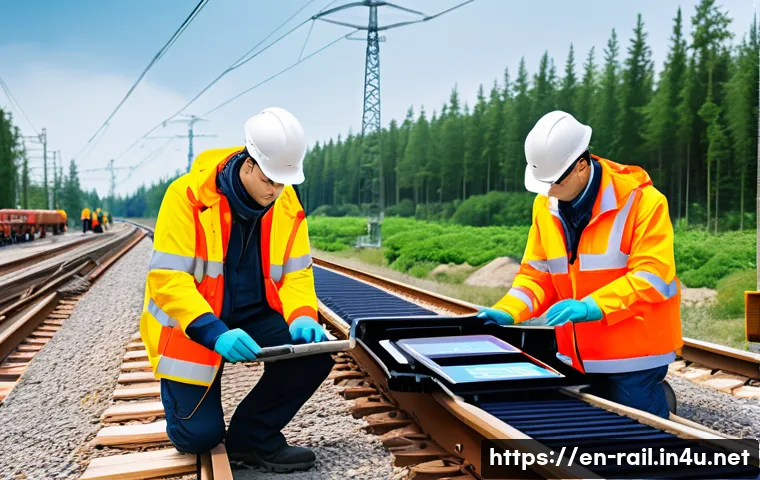
The workshop also covered the critical role of routine maintenance in preventing accidents. I got to inspect track sections and learn how engineers identify wear and tear that could compromise safety.
Detailed checklists and standardized procedures ensure nothing gets overlooked. For example, track geometry measurements and rail flaw detection are performed regularly to catch potential problems early.
This proactive approach reduces downtime and keeps the network reliable. It was interesting to see how maintenance schedules are planned around train operations to minimize disruptions.
Safety Culture and Continuous Training
A standout takeaway was the emphasis on cultivating a strong safety culture within railway organizations. The instructors shared stories about how frontline workers are encouraged to report hazards without fear of blame.
Continuous training programs update staff on new technologies and evolving best practices. I realized that safety is not just a set of rules but a mindset ingrained at every level.
This cultural commitment ensures that even the smallest safety concerns are addressed promptly, fostering an environment where everyone feels responsible for protecting lives.
Technology Integration Driving Railway Efficiency
Automation in Train Operations
The workshop revealed how automation transforms daily railway operations. From automatic train control systems that regulate speed to AI-powered scheduling software, technology optimizes every step.
I tried operating a simulator that adjusts train speeds based on traffic density, which showed how automation reduces human error and improves punctuality.
However, the instructors reminded us that automation works best when combined with human oversight, ensuring flexibility in unexpected situations.
Data Analytics for Performance Optimization
Data analytics is a game-changer in the railway industry. The workshop demonstrated how massive amounts of operational data are analyzed to identify trends and optimize performance.
For instance, predictive maintenance uses analytics to forecast equipment failures before they happen, saving costs and avoiding delays. I was impressed by how data-driven decisions improve not only safety but also customer satisfaction through better scheduling and fewer disruptions.
Green Technologies in Rail Transport
Sustainability is a growing priority, and I learned about innovative green technologies being integrated into rail systems. Electric trains, regenerative braking, and energy-efficient signaling contribute to reducing carbon footprints.
The workshop highlighted ongoing projects focusing on renewable energy sources and eco-friendly materials for infrastructure. It was encouraging to see how the railway sector balances technological advancement with environmental responsibility.
Hands-On Experience with Railway Equipment
Operating Simulation Tools
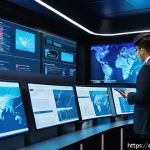
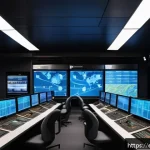
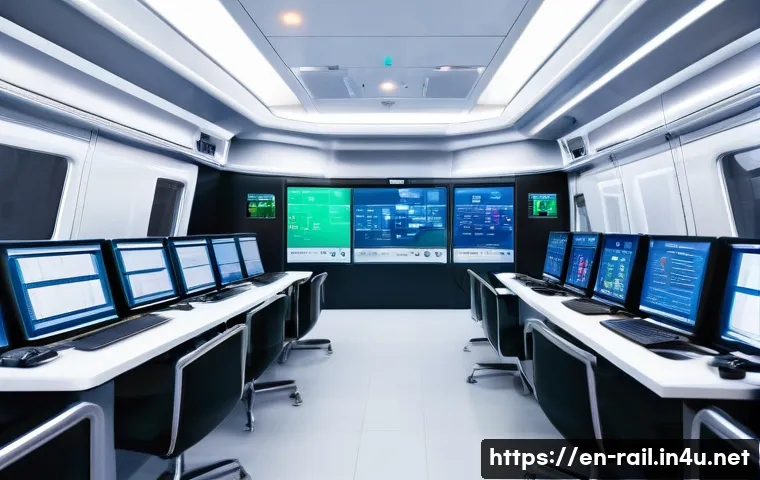
One of the most engaging parts was using simulation tools that mimic real railway control centers. These interactive setups allowed me to manage train traffic, adjust signals, and respond to emergencies in a controlled environment.
The level of detail was astounding, and I quickly grasped how complex decisions impact overall network flow. This practical exposure gave me a deeper respect for the expertise required to keep railways safe and efficient.
Inspection and Repair Techniques
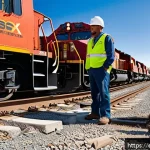
The workshop also included sessions on basic inspection and repair techniques. I handled tools used for track alignment and learned how to identify defects that could lead to failures.
Watching professionals perform quick repairs under pressure was eye-opening—precision and speed are critical. This hands-on knowledge underscored the importance of skilled maintenance crews who work tirelessly behind the scenes.
Communication Systems in Action
Effective communication is the backbone of railway operations, and I got to experience the systems that facilitate it. From radio protocols used by conductors to digital messaging platforms in control rooms, every method ensures seamless coordination.
Practicing these communication drills highlighted how clarity and timing can prevent misunderstandings that might otherwise cause delays or accidents.
Challenges and Future Directions in Railways
Adapting to Increasing Passenger Demand
The workshop discussed how growing urban populations put pressure on existing railway infrastructure. I learned about strategies to increase capacity without compromising safety, such as upgrading signaling systems and adding more frequent services.
It was clear that balancing efficiency with reliability is a constant challenge that requires innovative planning and investment.
Cybersecurity in Railway Systems
With more technology integrated into railways, cybersecurity emerged as a critical concern. The instructors explained potential threats like hacking of control systems and data breaches.
I was surprised by the sophisticated measures in place, including encrypted communications and continuous system monitoring. Protecting railway infrastructure from cyberattacks is essential to maintaining public trust and operational integrity.
Embracing Innovation While Preserving Tradition
The final topic explored how the railway industry blends cutting-edge innovation with long-standing practices. While automation and AI are reshaping operations, human judgment and historical knowledge remain vital.
This balance ensures that advancements enhance safety and efficiency without losing the experience that has guided railways for decades.
Summary of Key Technologies and Protocols
| Category | Technology/Protocol | Purpose | Impact on Operations |
|---|---|---|---|
| Signaling | Electronic Interlocking | Control train movements safely | Reduces collisions, enables higher train frequency |
| Monitoring | Real-Time Sensors | Track train location and track conditions | Prevents delays, enhances safety through early warnings |
| Automation | Automatic Train Control (ATC) | Regulate train speeds automatically | Improves punctuality and reduces human error |
| Maintenance | Predictive Maintenance Analytics | Forecast equipment failure | Minimizes downtime, extends asset life |
| Communication | Digital Radio Systems | Facilitate coordination between staff | Ensures clear and timely information exchange |
| Safety | Emergency Response Protocols | Guide actions during incidents | Reduces risk and impact of accidents |
| Security | Cybersecurity Measures | Protect control systems from cyber threats | Maintains operational integrity and public trust |
글을 마치며
Exploring the intricacies of train control systems revealed how technology and human expertise intertwine to ensure safe, efficient railway operations. From advanced signaling to real-time monitoring and rigorous safety protocols, every component plays a vital role in keeping trains on schedule and passengers secure. This deep dive has given me a newfound appreciation for the complexity and dedication behind modern railways.
알아두면 쓸모 있는 정보
1. Train signaling systems use multiple layers of fail-safe mechanisms to maintain safety even if one component fails, highlighting the importance of redundancy in critical infrastructure.
2. Real-time monitoring and predictive analytics help railway operators anticipate delays and equipment failures, significantly improving operational efficiency and passenger satisfaction.
3. Despite advances in automation, skilled human operators remain essential for managing unexpected situations and ensuring seamless train control.
4. Regular maintenance and thorough inspections are crucial for preventing accidents and minimizing downtime, underscoring the value of proactive safety measures.
5. Cybersecurity is an emerging priority in railways, with robust protections necessary to safeguard control systems from potential cyber threats and maintain public trust.
중요 사항 정리
Understanding the balance between cutting-edge technology and human expertise is key to appreciating modern railway systems. Safety protocols, including emergency response drills and continuous training, are foundational to preventing accidents and ensuring quick, coordinated action when needed. Automation and data analytics optimize performance and reduce errors, but they work best under vigilant human supervision. Finally, as railways evolve, integrating sustainability efforts and robust cybersecurity measures will be essential to meet future challenges without compromising safety or reliability.
Frequently Asked Questions (FAQ) 📖
Q: What kind of hands-on activities are involved in a railway workshop?
A: In the workshop, you get to engage in practical exercises like simulating train operations, managing signal systems, and troubleshooting common safety issues.
It’s not just listening to lectures; you actually handle equipment and make real-time decisions as if you were in control of a railway network. This immersive approach helps you understand the complexities and quick thinking required in daily railway management.
Q: How does technology integrate with human expertise in railway operations?
A: From my experience, technology acts as a powerful tool that supports but doesn’t replace human judgment. Advanced control systems monitor train movements and track conditions, while experienced operators interpret data and respond to unexpected situations.
The workshop highlighted how this balance ensures safety and efficiency—automation handles routine tasks, but humans oversee critical decisions, especially when emergencies arise.
Q: Is this workshop suitable for someone without any background in transportation or engineering?
A: Absolutely! The workshop is designed to be accessible and engaging for anyone curious about how railways function. It breaks down complex concepts into understandable segments and uses real-life scenarios to make learning relatable.
Whether you’re a transport enthusiast, a student, or just someone fascinated by infrastructure, you’ll walk away with a solid grasp of railway safety and operations without needing prior technical knowledge.